
What the World Cup Can Teach Your Economics Class
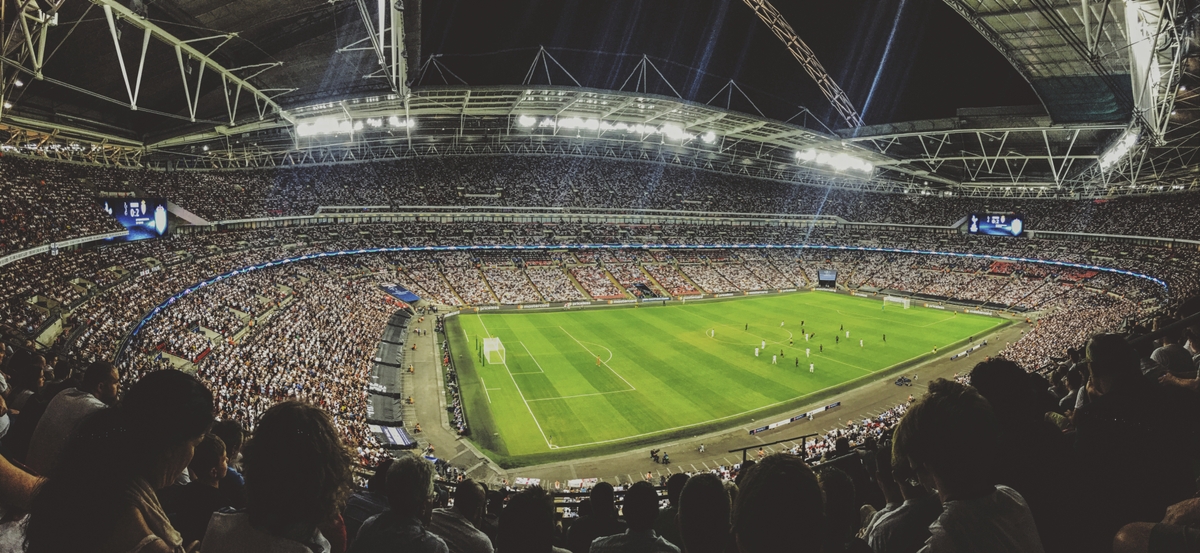
You don't have to be a soccer fan to notice when the World Cup is coming up. For the United States, this FIFA World Cup marks the first time we've hosted since 1994, and the buzz has been building for months ahead of the June 11 kickoff. For economics teachers, that kind of cultural moment is hard to pass up, because while most people are watching the pitch, the economics happening just off camera are every bit as interesting.
Jerseys as Demand Shifters
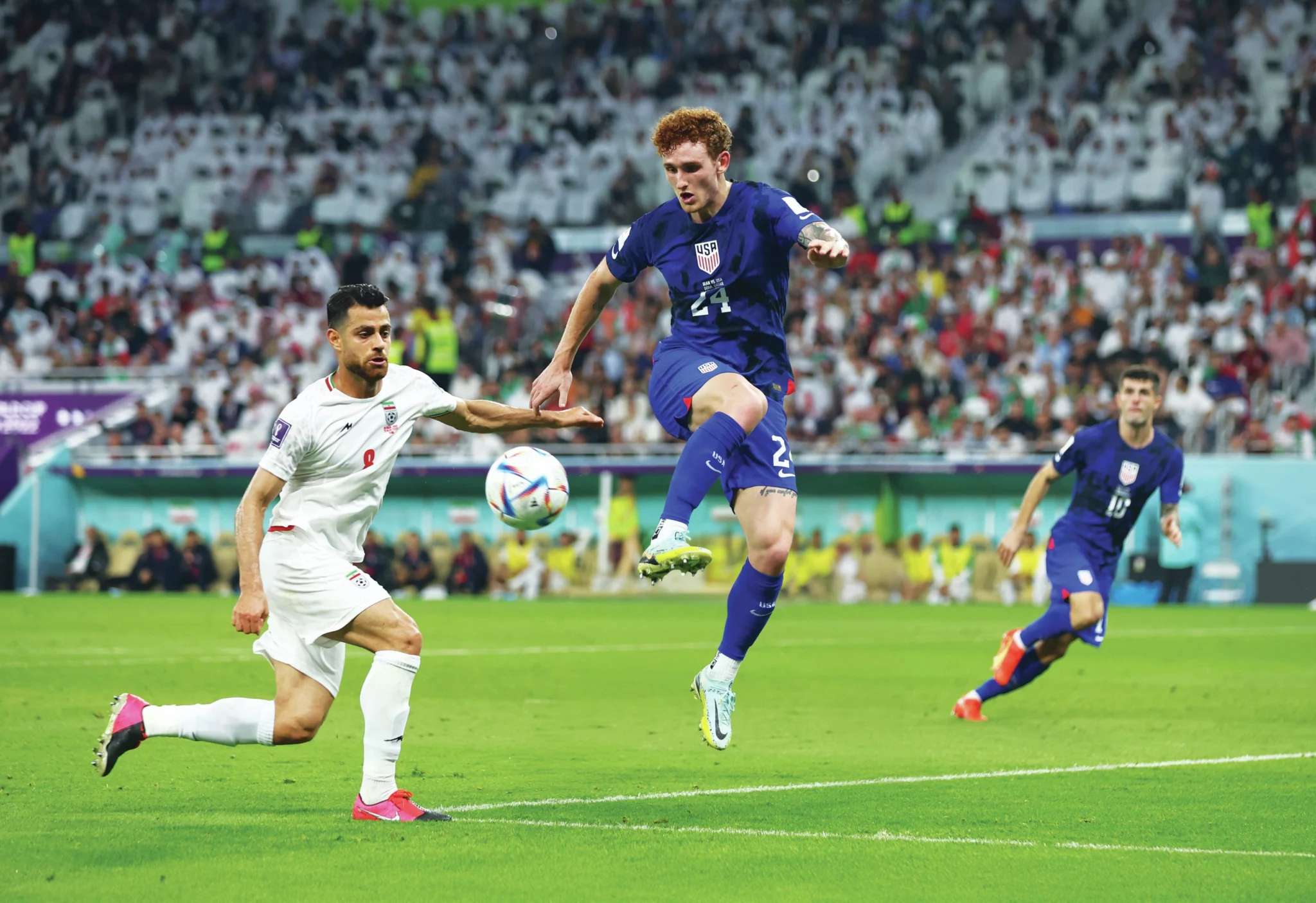
Nobody was buying jerseys in February, but come the quarterfinals they'll be on back order. These are what we consider demand shifters in the wild.
The World Cup has the potential to be one of the fastest demand-shifting events on earth. A player nobody outside their home country had heard of scores in the round of sixteen, and within forty-eight hours the demand for their jersey looks nothing like it did a week ago. The product is identical (same fabric, same number, same manufacturer) but something about the buyer has fundamentally changed, and that something has a name: a change in tastes and preferences, which is exactly what your students are exploring in Lesson 2.5: Shifts in Demand. A shift of the demand curve happens when something changes buyers' behavior at every price level.
It also opens a natural door back into Unit 1 territory. Deciding whether to spend $130 on that jersey is a real economic decision, one that involves the cost-benefit principle from Lesson 1.3: Thinking Like an Economist (Part 1) and the interdependence principle from Lesson 1.4: Thinking Like an Economist (Part 2), and students who have worked through those lessons are genuinely better equipped to think it through than they realize.
The Principles are Everywhere if You Know Where to Look
If you want students to see economic principles in action rather than on paper, it's hard to do better than an event that runs scarcity, tradeoffs, incentives, and interdependence at full speed in front of four billion people.
The concepts that can feel theoretical in a classroom have a way of becoming impossible to ignore when the whole world is paying attention to the same event at the same time. Hotel rooms disappear weeks before the opening match because of a shortage, and as a result you pay a higher price for the same room. Host cities like Atlanta, Los Angeles, and New York spend years making infrastructure decisions that are, at their core, just very expensive tradeoffs. And the economic ripple from a tournament in one country reaches manufacturers, broadcasters, and tourism industries in places that will never host a single game.
Students encounter this same logic (at a much more manageable scale) in Lesson 1.2: Packing for a River Trip, in Lesson 1.3: Thinking Like an Economist Part 1 and Lesson 1.4: Thinking Life an Economist Part 2, and in Lesson 1.6: Complexities of Decision Making. The World Cup doesn't introduce new ideas so much as it turns up the volume on the ones your students are already learning, which is about as good a teaching moment as you're going to get.
Does Hosting Actually Help a Country's Economy?
It's a simple enough question with a less than simple answer.
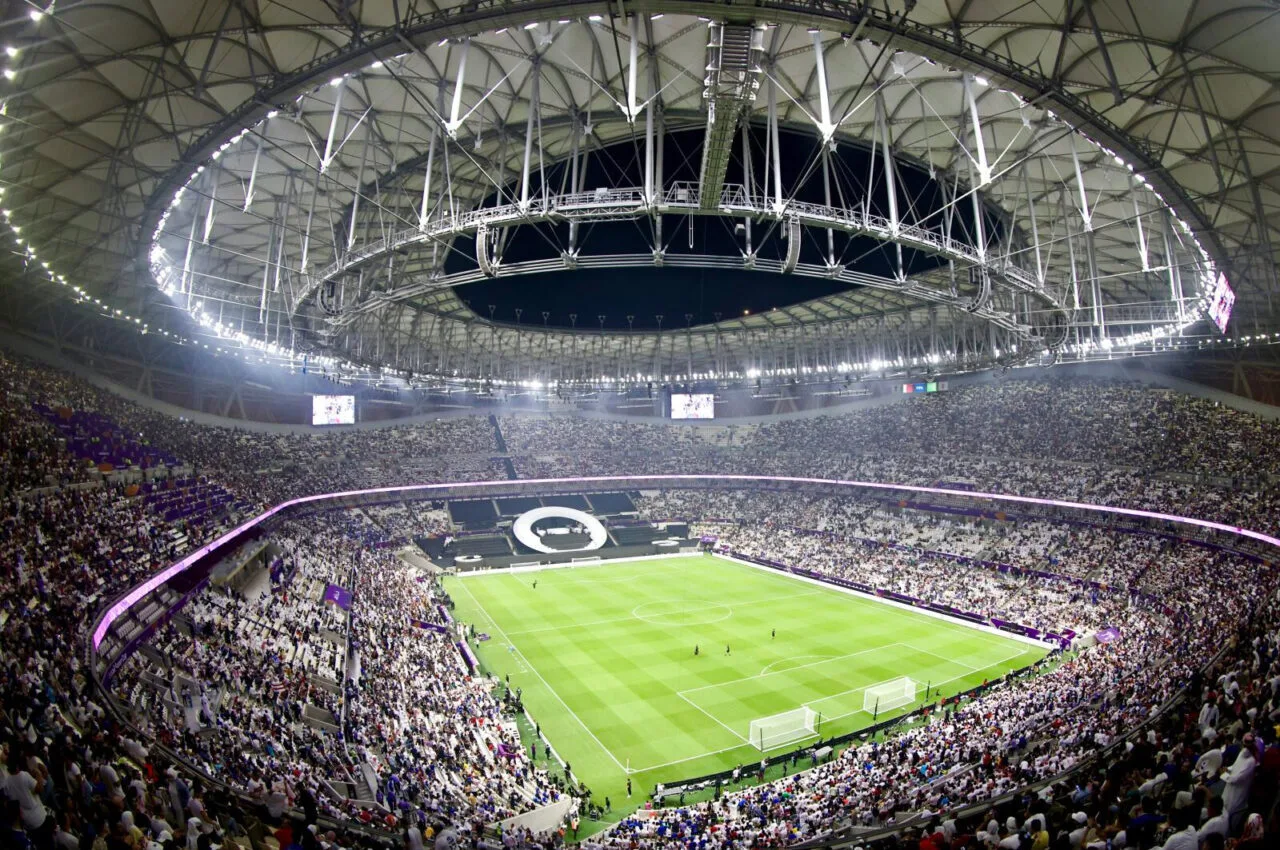
The case for hosting looks compelling on paper. A global audience, weeks of sustained tourism, new infrastructure, and a spike in consumer spending that should, at least in theory, show up as meaningful GDP growth. And sometimes it does. But Lesson 3.4: Evaluating GDP as a Measure of Well-Being: Part 1 and Lesson 3.5: Evaluating GDP as a Measure of Well-Being: Part 2 give students the tools to ask what those numbers are actually measuring, which turns out to be a more interesting question than it first appears.
It's worth pointing out to students that emergency room visits, security operations, and the costs of managing large, rowdy crowds all register as economic activity too. GDP isn't particularly good at distinguishing between spending that reflects a thriving society and spending that reflects the chaos one sometimes produces. That's not a flaw unique to the World Cup, it's a structural limitation of the metric itself, and the tournament makes it visible in a way that dry textbook examples rarely do.
GDP measures economic activity, not economic health. The World Cup is an important reminder that those two things are not always the same.
The research on host country economic outcomes is mixed, and not in the way that suggests the truth is somewhere in the middle. Infrastructure projects routinely exceed their budgets, tourism projections routinely outpace actual arrivals, and stadiums built for a six-week tournament have a well-documented tendency to become expensive monuments to optimism once the final whistle blows.
Applying the World Cup in the Classroom
The beauty of the World Cup as a teaching tool is that your students are already doing half the work. They're watching the games, following the storylines, and forming opinions about teams and players and host cities whether you bring it into class or not. All you're really doing is giving them a sharper vocabulary for something they're already thinking about.
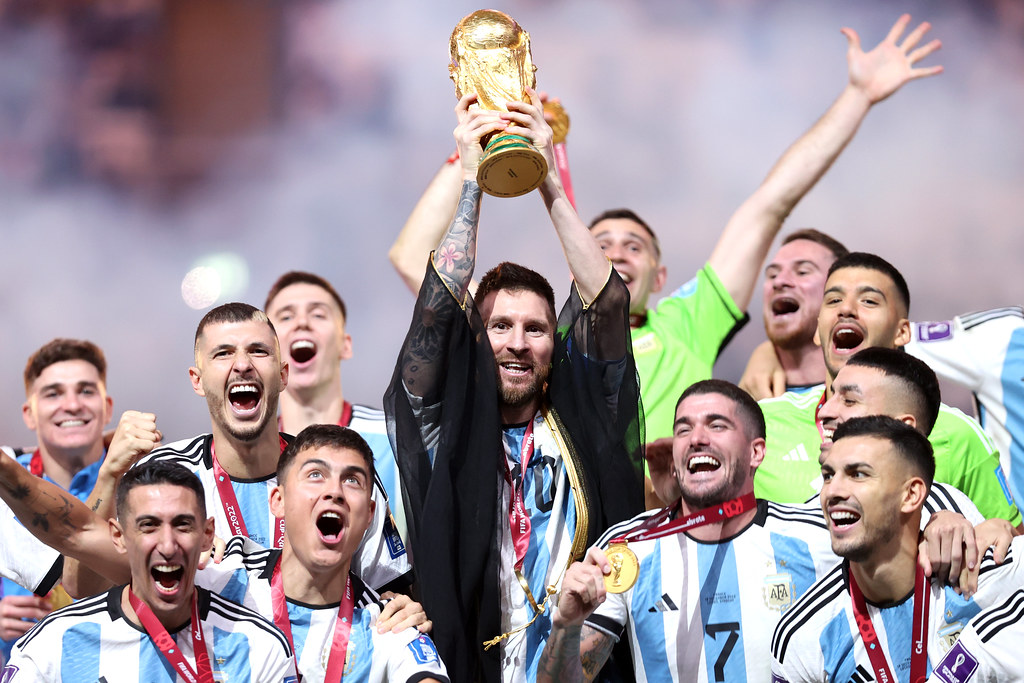
Ask why Argentina tickets cost more. Pull up a chart of jersey sales after a breakout performance. Share a headline about stadium construction costs and let the class wrestle with if GDP is the right way to measure whether any of it was worth it. With the World Cup unfolding this summer, the fall semester couldn't have a better opening act. Students will return to your classroom having lived through price surges, market shifts, and a host country GDP debate in real time — whether they realized it or not.
Taking it Further: Price Discrimination and the Cost of a Ticket
Not all World Cup seats are created equal, and the economics behind that price gap go deeper than most realize, making it a great extension opportunity for students ready to go further.
Sellers know that certain matchups generate a level of excitement and willingness to pay that others don't, and they price accordingly. Charging different people different amounts for what is technically the same seat in the same stadium is price discrimination, and it works because demand is not uniform. The demand curve for an Argentina match looks entirely different from the demand curve for a lower-profile group stage game, and sellers who can identify those differences can capture more of the value buyers were already willing to give up.
This concept sits just outside Econiful's core curriculum, but it connects naturally to elasticity of demand, and the World Cup makes both ideas impossible to miss. For teachers looking to extend the conversation, our Price Elasticity of Demand Card Sort is a strong follow-up activity, and teachers with AP Micro sections can find aligned resources in our AP Resource Guide.
Want to Keep Reading on these Concepts?
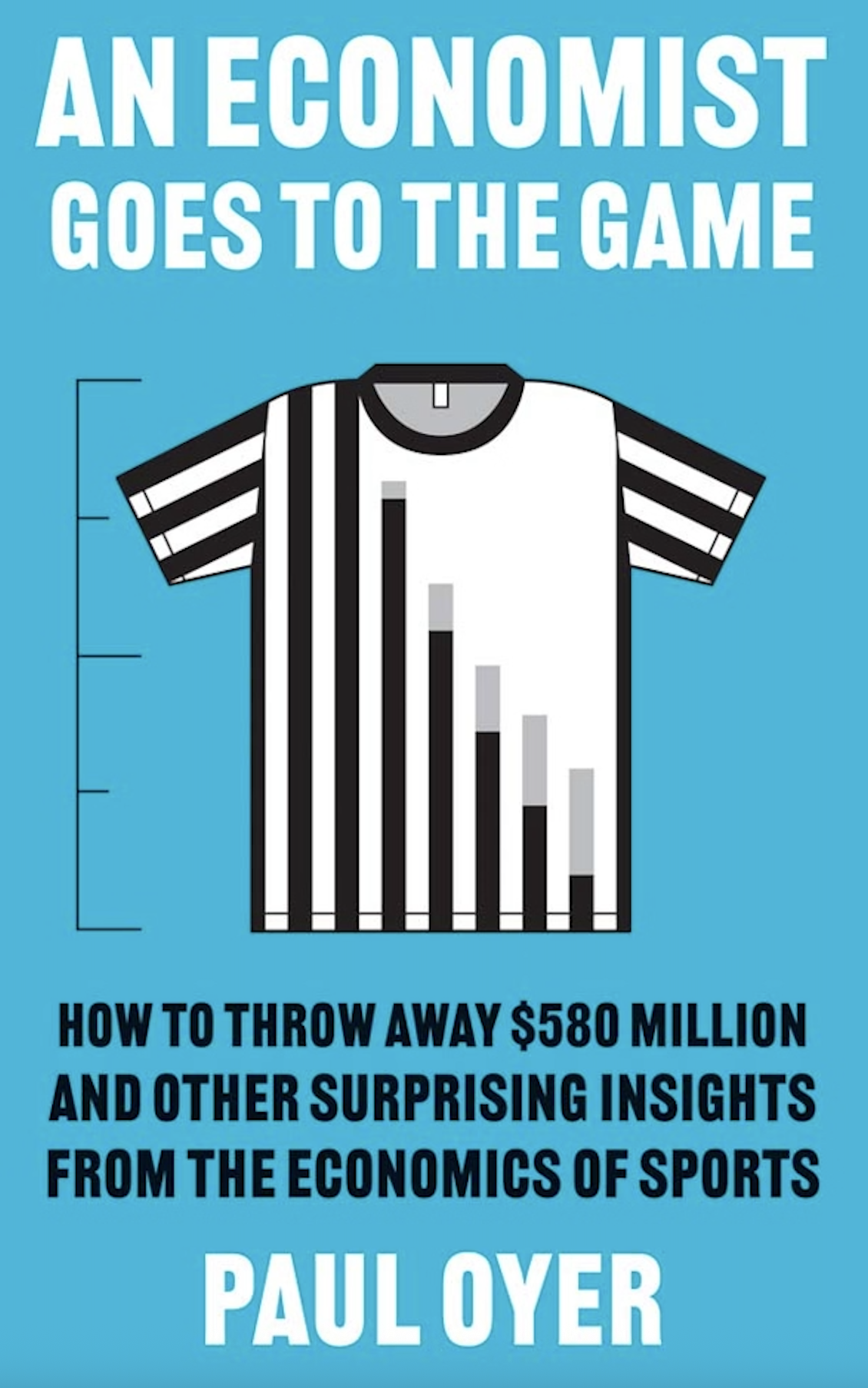
Interested in reading more on the topic of sports and economic concepts? In Fall 2022, we featured An Economist Goes to the Game by Paul Oyer, which tackled questions about stadiums, spending, and what sports really cost.

Ready to bring Econiful into your classroom?
Become an Econiful member for free access to all 80 lesson plans, professional development resources, and events. Find everything you need to teach economics with confidence.